Modern Urban Housing Innovative Solutions for Sustainable City Living
Modern urban housing has emerged as a central topic in today’s rapidly expanding cities. With increasing populations, limited land resources, and growing concerns about sustainability, cities worldwide are redefining how people live. Urban housing today is no longer just about providing shelter-it is about creating efficient, sustainable, and technology-driven spaces that enhance quality of life.
This evolution in housing responds to global trends such as urbanization, climate change, and demographic shifts. The demand for smarter solutions has led architects, city planners, and developers to design spaces that balance density with comfort, technology with human needs, and sustainability with long-term affordability.
Key Features of Modern Urban Housing
Modern urban housing is characterized by several distinct features that separate it from traditional residential models. These features are deeply tied to the realities of city life and the need for adaptable, future-proof solutions.
First, there is a strong focus on maximizing space efficiency. Compact apartments, modular layouts, and multifunctional furniture are commonly used to make the most of limited square footage. Second, sustainability is at the core. From energy-efficient building materials to renewable energy systems, green housing practices are increasingly integrated into urban design.
Another defining feature is community integration. Unlike isolated housing blocks, many modern developments now emphasize shared facilities such as rooftop gardens, coworking spaces, gyms, and communal lounges. This not only fosters social connections but also ensures residents feel part of a vibrant urban environment.
Benefits of Modern Urban Housing with Technology
One of the most transformative aspects of modern urban housing is the integration of technology. Smart home systems are becoming standard, allowing residents to control lighting, heating, and security remotely via smartphones or voice-activated devices.
Technology-driven housing also supports energy efficiency. Smart thermostats reduce unnecessary power consumption, while automated systems help manage water usage and waste disposal. For residents, this translates into lower utility costs and a smaller carbon footprint.
Security is another significant advantage. Many modern housing complexes use advanced access systems, including biometric entry and app-based monitoring, ensuring residents feel safe even in dense urban settings. These systems also allow property managers to handle building operations more effectively, improving maintenance and community services.
Real-World Examples of Modern Urban Housing
1. Bosco Verticale, Milan, Italy
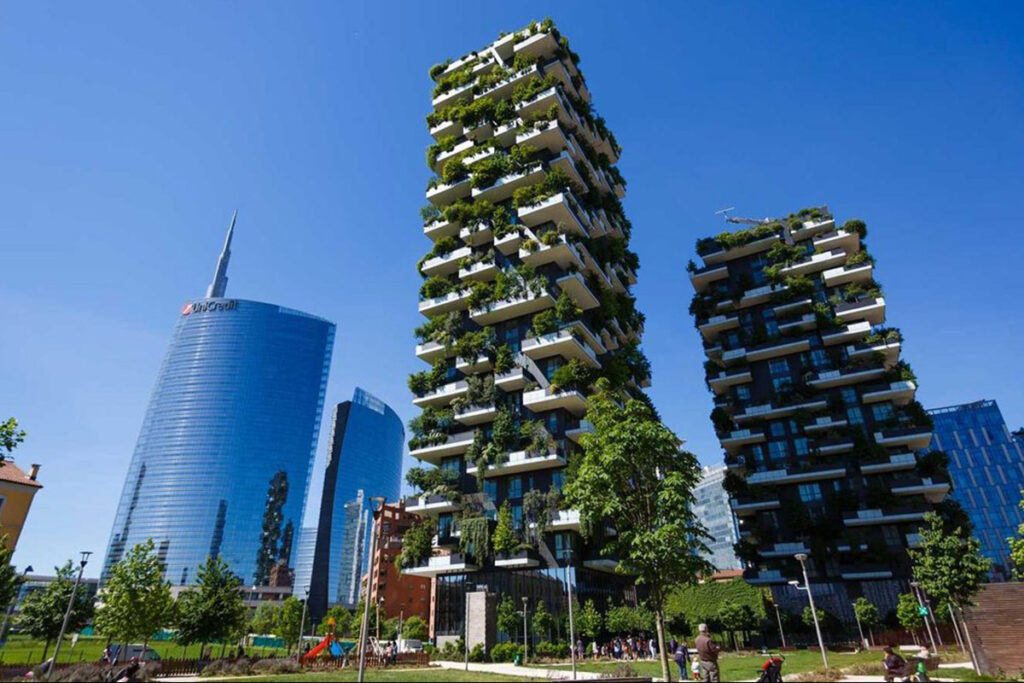
Bosco Verticale, or the “Vertical Forest,” is one of the most celebrated examples of modern urban housing. This residential complex integrates thousands of trees and plants directly into its building structure. By doing so, it not only provides a visually stunning aesthetic but also helps improve air quality and reduce urban heat.
Residents benefit from natural insulation, noise reduction, and a healthier living environment. Bosco Verticale demonstrates how modern housing can address environmental concerns while offering a new model for high-density living in crowded cities.
2. Oasia Hotel and Residences, Singapore
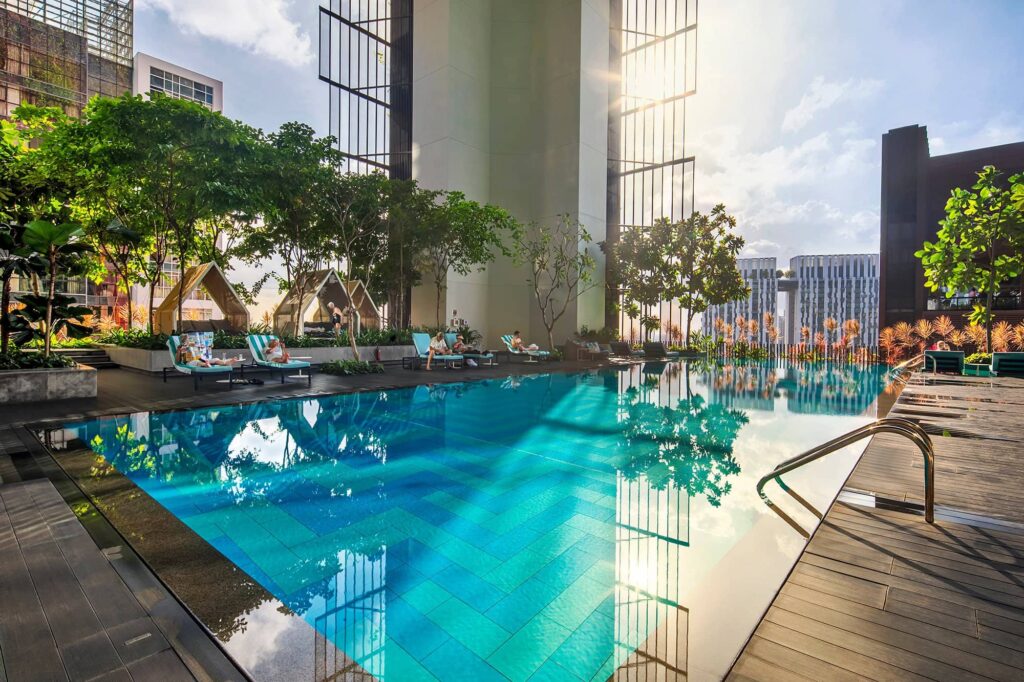
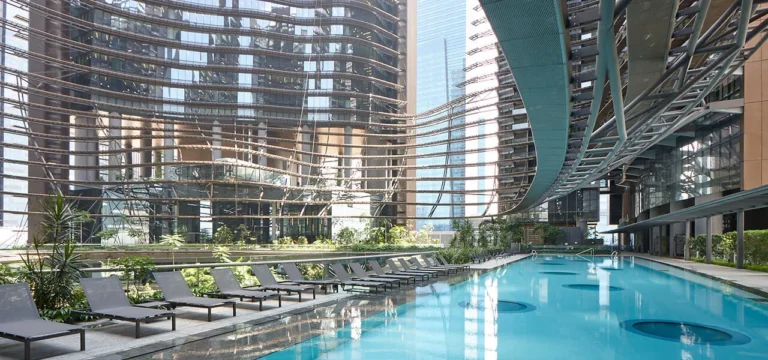
Although it functions partly as a hotel, Oasia also includes residential units that showcase a unique approach to vertical urban living. Its design integrates natural ventilation, green walls, and open communal spaces. Unlike sealed skyscrapers, Oasia creates an airy, breathable environment suitable for tropical climates.
This project highlights how modern urban housing can adapt to local environmental conditions while still providing luxury and sustainability. For residents, the building represents a fusion of urban convenience with eco-friendly design.
3. BedZED, London, UK
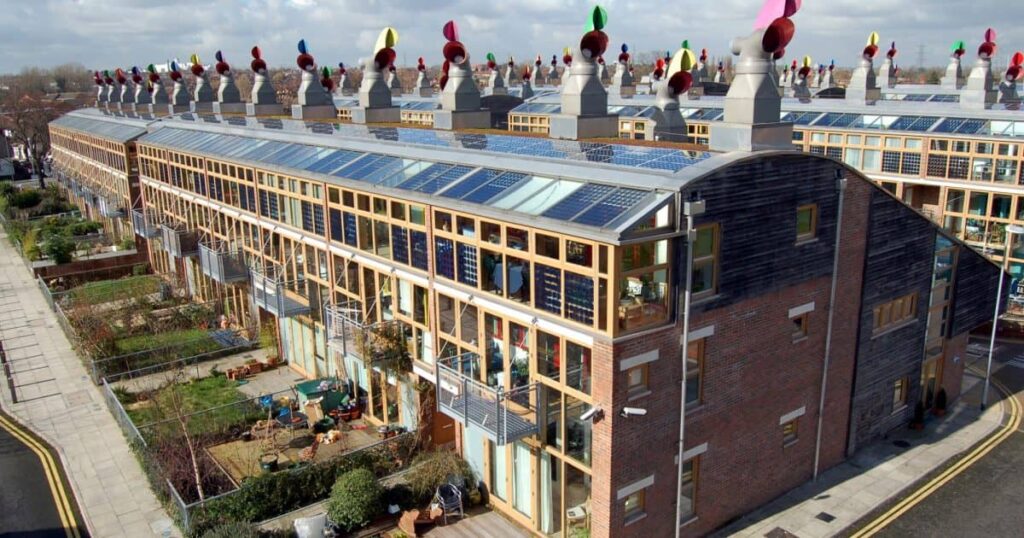
The Beddington Zero Energy Development (BedZED) is a pioneering project in sustainable housing. It was designed to be carbon-neutral, with features like solar panels, rainwater collection, and natural ventilation systems. The homes are built with energy-efficient materials, and residents are encouraged to adopt environmentally responsible lifestyles.
BedZED illustrates how modern urban housing can reduce environmental impact while creating strong, supportive communities. It remains a benchmark for eco-conscious residential developments worldwide.
4. High Line Residential Projects, New York, USA
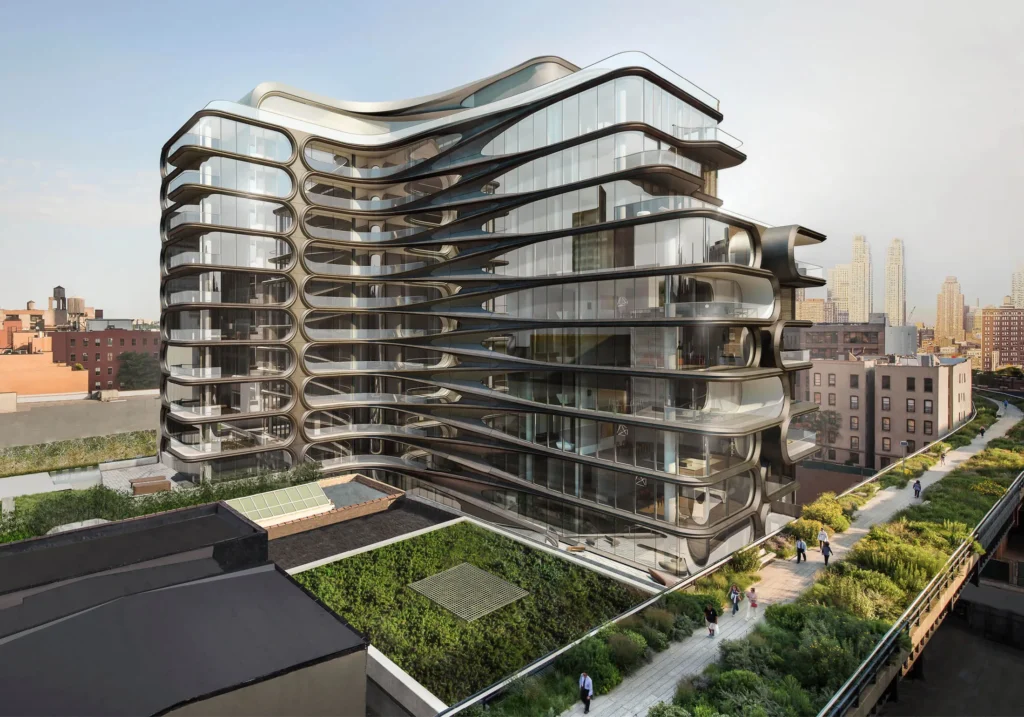
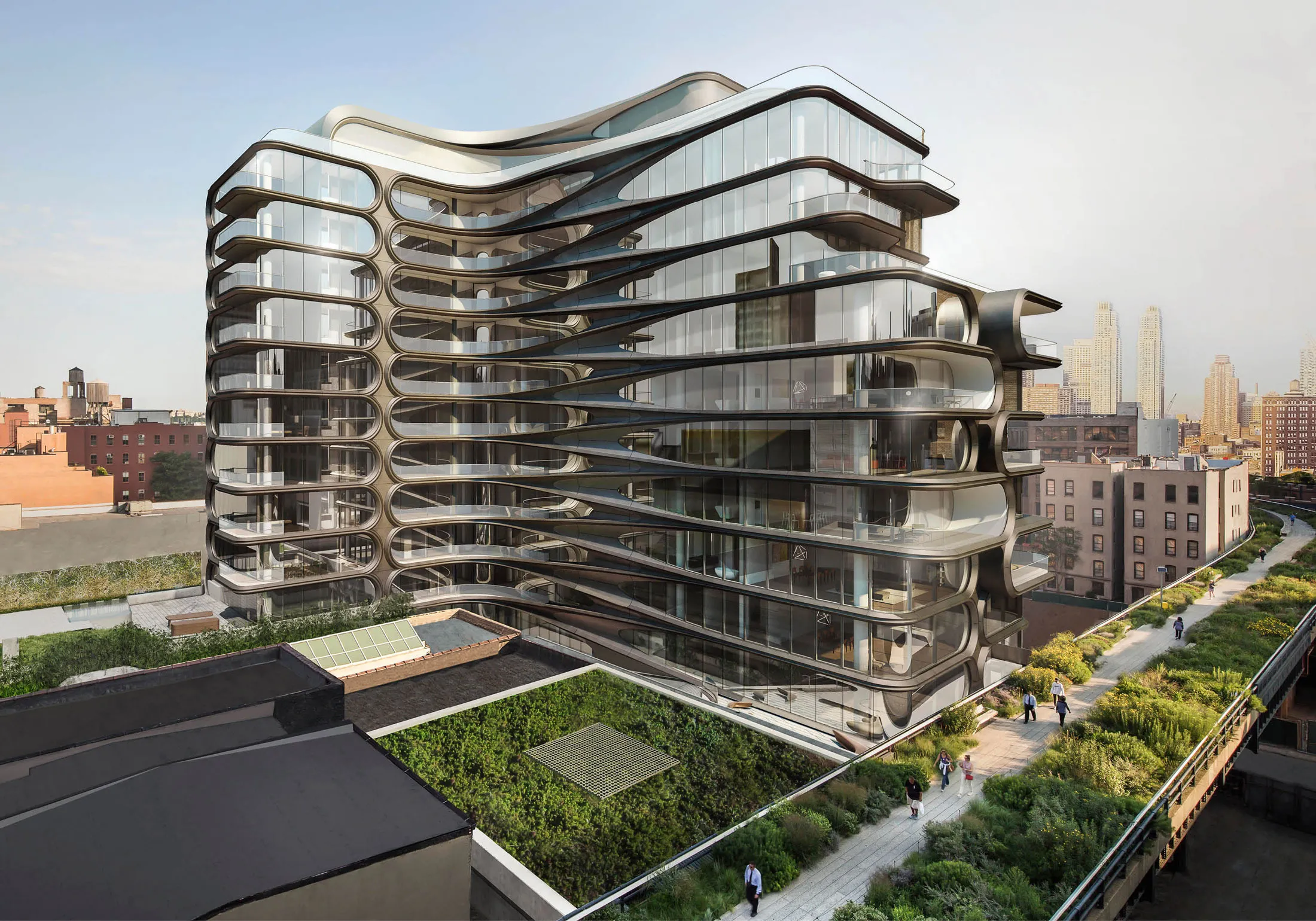
Along Manhattan’s High Line park, several modern housing projects have transformed old industrial spaces into high-density residential units. These developments emphasize integration with public spaces, creating seamless connections between private living areas and vibrant community life.
For residents, the appeal lies not only in the stylish architecture but also in the cultural and recreational benefits of living near such an iconic urban landmark. It shows how adaptive reuse of space can solve housing shortages while revitalizing neighborhoods.
Practical Use Cases of Modern Urban Housing
Addressing Overpopulation in Cities
Modern urban housing directly addresses the challenges of growing city populations. By building vertically and maximizing available land, developers can provide more living units without expanding into suburban or rural areas. This helps reduce urban sprawl and preserve green spaces outside city boundaries.
Promoting Environmental Sustainability
With climate change at the forefront of global concerns, sustainable housing solutions are critical. Features like solar panels, rainwater harvesting, and energy-efficient insulation systems reduce the environmental impact of residential living. These practical applications make modern urban housing not only a necessity but also a solution to global environmental challenges.
Supporting Flexible Lifestyles
Urban residents often lead fast-paced and dynamic lives. Modern housing addresses this by incorporating coworking areas, high-speed internet infrastructure, and shared community spaces. This allows professionals to balance work and personal life more effectively without leaving their residential environment.
Reducing Commuting Challenges
One of the greatest advantages of modern urban housing is its strategic location. By placing developments near business districts, public transport hubs, and educational institutions, residents can significantly cut down on commute times. This improves overall well-being and contributes to more sustainable city transport systems.
Advantages of Modern Urban Housing for Residents
Provides practical and lifestyle benefits that align with today’s urban challenges. Residents gain access to energy savings, smart technology, and community-driven living spaces.
The broader societal benefits are also notable. As cities implement modern housing models, they contribute to reduced emissions, improved community health, and more balanced urban growth.
Challenges and Considerations in Modern Urban Housing
Despite its many benefits, it comes with challenges. Affordability remains a significant issue, as many innovative housing projects are initially more expensive due to their advanced design and technology. Governments and developers must work together to make these models accessible to a wider population.
Another consideration is cultural adaptation. While compact living and shared facilities work well in some regions, they may be less accepted in societies accustomed to larger private spaces. Education and community building are necessary to ensure smooth transitions into these housing models.
Future Outlook for Modern Urban Housing
The future of urban housing will likely combine technology, sustainability, and community in even more sophisticated ways. Concepts such as smart cities, modular housing, and eco-integrated skyscrapers will shape the way people live in the coming decades.
Artificial intelligence, renewable energy, and urban agriculture are expected to play central roles. Buildings may become self-sufficient, producing their own food and energy while recycling waste. These innovations promise to make cities not only more livable but also more resilient to future challenges.
Frequently Asked Questions
Q1. What defines modern urban housing?
Modern urban housing refers to residential solutions designed for today’s city environments. It focuses on sustainability, technology integration, efficient use of space, and community-oriented living.
Q2. How does technology improve urban housing?
Technology enhances urban housing by offering smart home systems, energy efficiency, and security improvements. It allows residents to control their environment, reduce utility costs, and enjoy safer and more convenient living spaces.
Q3. Is modern urban housing suitable for families?
Yes, many modern urban housing projects include family-friendly layouts and amenities. Shared gardens, play areas, and community centers provide children with safe environments while keeping families close to schools and services.