Mountain Vacation Homes A Complete Guide to Scenic Living and Investment
Mountain vacation homes are more than just seasonal retreats-they represent a lifestyle choice that combines natural beauty, relaxation, and long-term investment potential. Nestled in serene landscapes, these homes provide a chance to escape the hustle of urban living while enjoying year-round outdoor activities like hiking, skiing, or simply relaxing by a fireplace with mountain views.
Unlike standard vacation rentals, mountain vacation homes often carry unique architectural designs that reflect rustic charm while incorporating modern amenities. Their appeal lies in their ability to serve multiple purposes: a personal getaway, a rental property, or even a long-term family residence.
The Allure of Mountain Living
One of the most compelling aspects of owning or staying in a mountain vacation home is the natural environment itself. The crisp air, panoramic views, and proximity to recreational activities create a restorative atmosphere. Unlike city apartments or beach houses, mountain homes often offer larger lots, more privacy, and direct access to nature trails or ski slopes.
Moreover, these properties provide seasonal versatility. In the winter, they become cozy ski lodges; in the summer, they transform into hiking and adventure hubs. This year-round usability adds to their attractiveness for homeowners and investors alike.
Architectural Styles of Mountain Vacation Homes
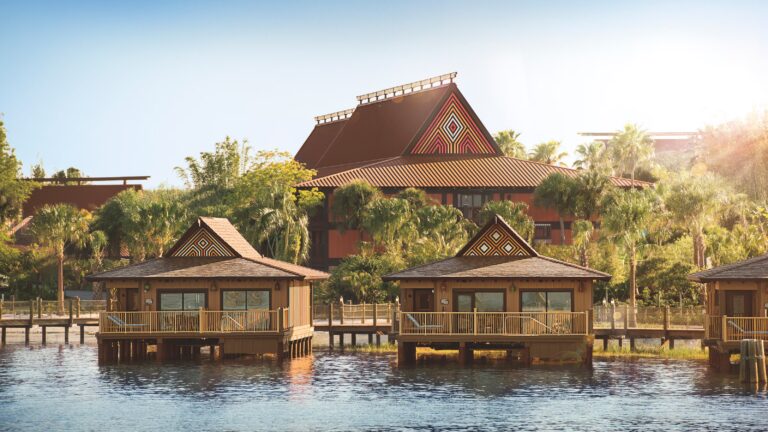
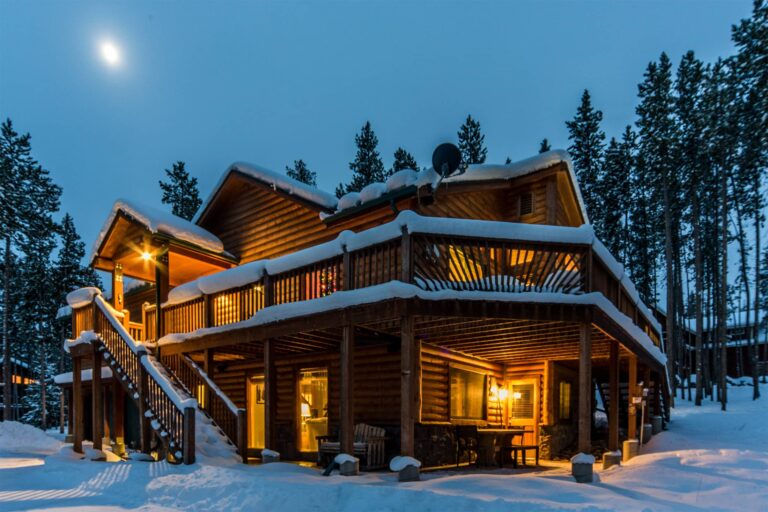
Mountain vacation homes come in a wide variety of architectural designs. Traditional styles include log cabins, timber-framed chalets, and rustic lodges that reflect the natural setting with stone fireplaces, wooden beams, and expansive decks. On the other hand, modern mountain homes integrate contemporary design elements such as glass walls, open floor plans, and eco-friendly building materials.
The architecture is not merely aesthetic; it also responds to the environment. Large windows maximize natural light and capture mountain views, while steep roofs manage snow in colder climates. These details ensure comfort, functionality, and a deeper connection to the surroundings.
Real-World Examples of Mountain Vacation Homes
1. Aspen Luxury Chalet
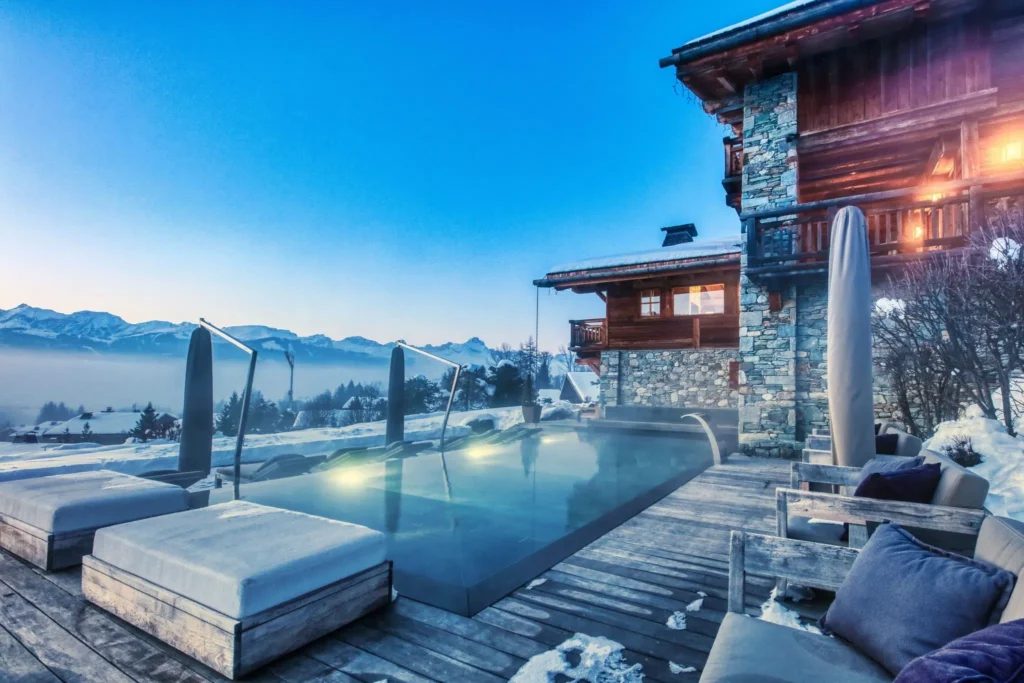
The Aspen Luxury Chalet in Colorado exemplifies the balance between traditional mountain design and modern luxury. Featuring expansive glass panels, stone fireplaces, and ski-in/ski-out access, it has become an iconic vacation retreat. This type of home highlights how mountain properties can merge natural landscapes with high-end amenities.
The Aspen chalet is also a practical case of investment potential. Its location in a high-demand ski town makes it an attractive rental property, ensuring year-round interest from vacationers seeking luxury experiences.
2. Lake Tahoe Retreat
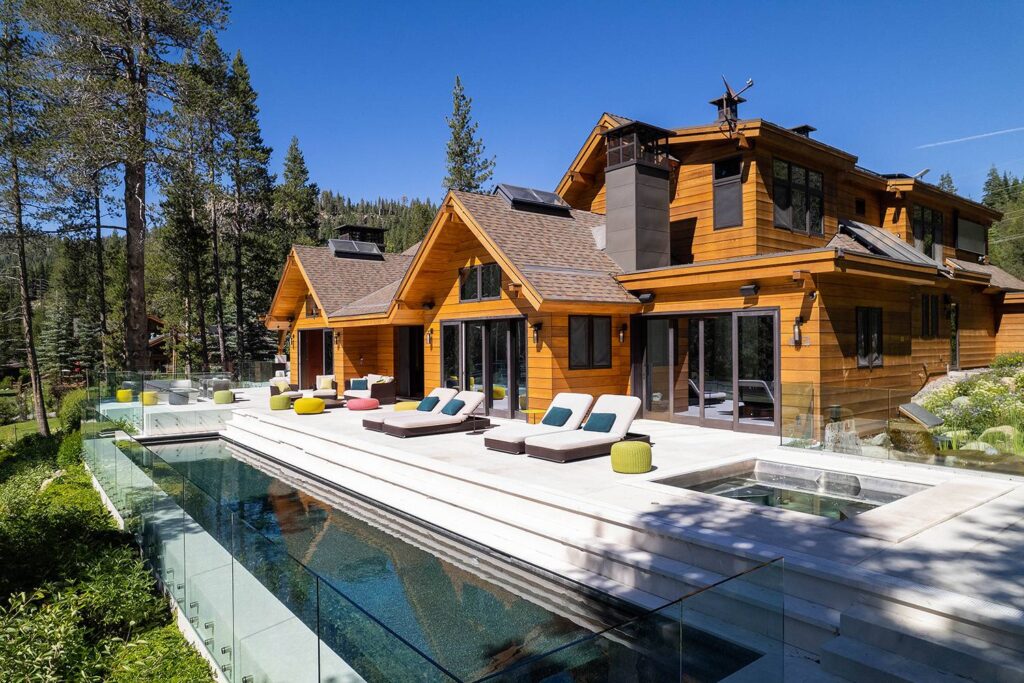
Located in California’s Sierra Nevada, the Lake Tahoe Retreat represents a more family-oriented approach to mountain vacation homes. Built with sustainable wood and eco-friendly energy systems, this home blends rustic aesthetics with modern efficiency.
Beyond its design, the Lake Tahoe Retreat illustrates how mountain vacation homes can serve as multigenerational family properties. With outdoor decks, private hiking access, and proximity to ski resorts, it provides both relaxation and adventure for families.
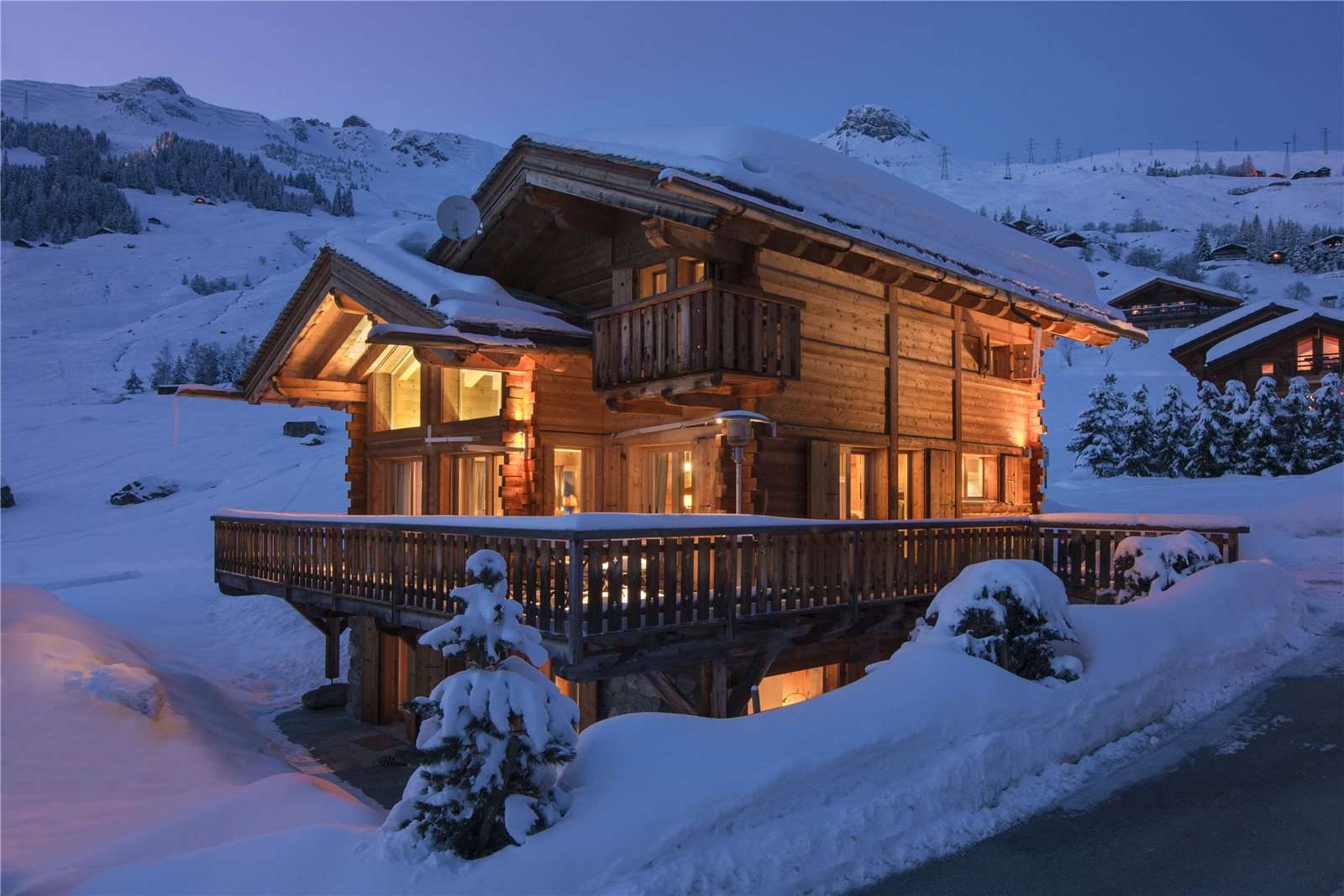
3. Swiss Alps Chalet
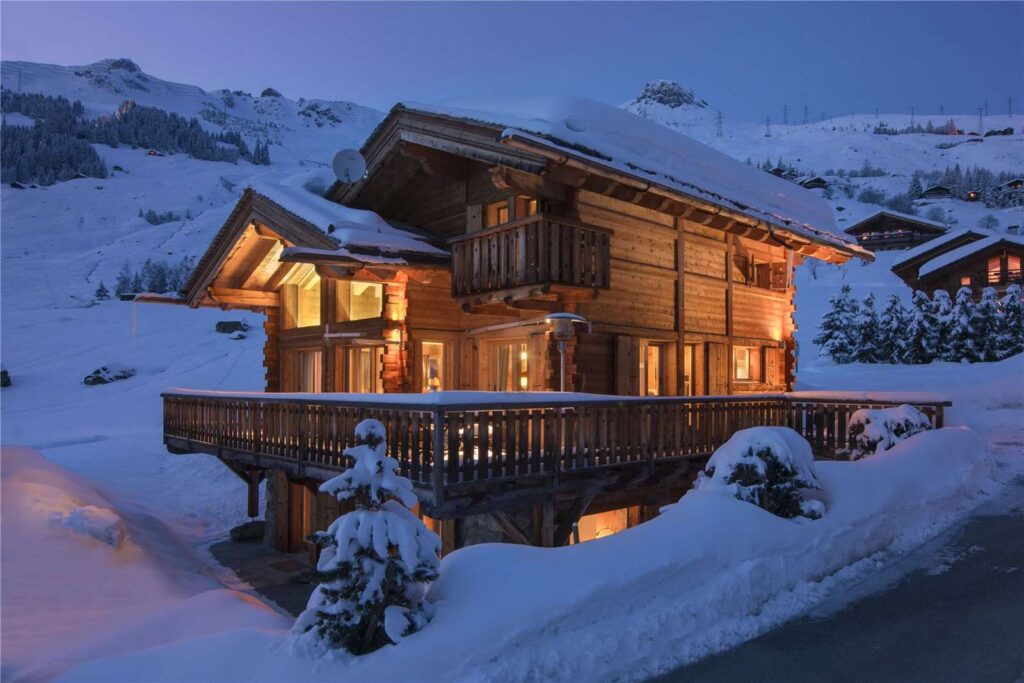
In the Swiss Alps, mountain vacation homes embody traditional European design. The chalets, constructed with aged timber and steep roofs, provide warmth during snowy winters. Many are positioned with direct access to ski lifts, making them both practical and picturesque.
These chalets also show how mountain vacation homes are not limited to one region or country. Their timeless designs are adapted worldwide, proving their universal appeal as both residences and investment opportunities.
Benefits of Modern Technology in Mountain Vacation Homes
While mountain homes are rooted in nature, modern technology has elevated their functionality. Smart home systems allow remote control of heating, lighting, and security, which is crucial in remote locations where owners may not always be present. Solar panels and energy-efficient designs reduce environmental impact, aligning with the eco-conscious preferences of many homeowners today.
Technology also enhances rental management. Owners can use digital platforms to monitor occupancy, adjust rental pricing, and communicate with guests seamlessly. This integration ensures that mountain vacation homes remain both comfortable and profitable, regardless of whether they are used for personal or rental purposes.
Practical Use Cases for Mountain Vacation Homes
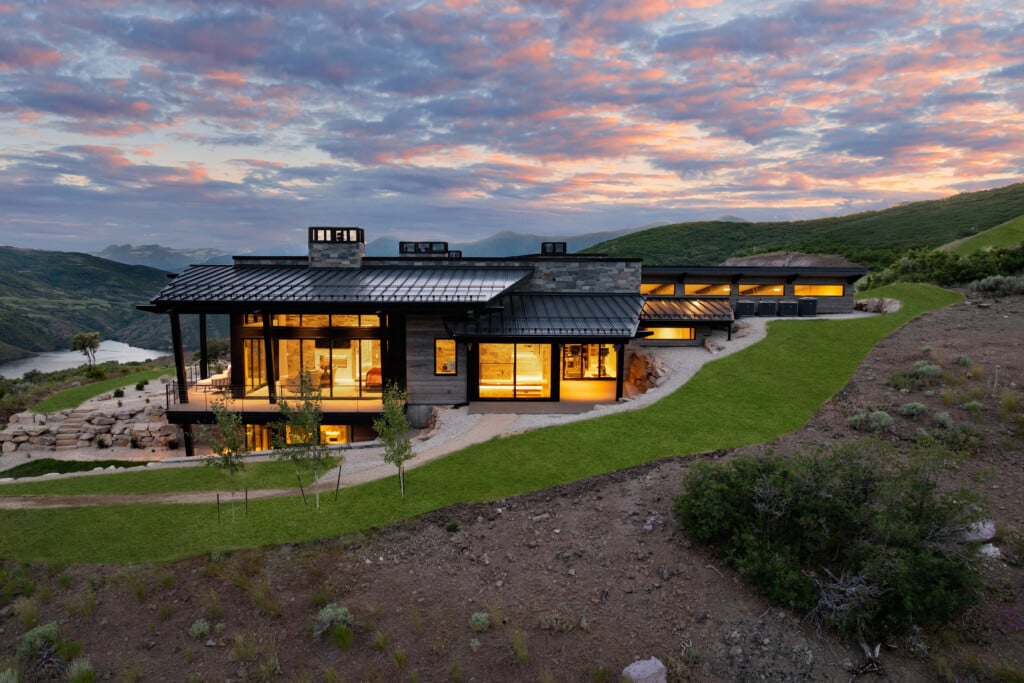
Family Retreats
Mountain vacation homes serve as perfect destinations for families who want to bond in nature. The combination of privacy, outdoor activities, and spacious interiors makes them ideal for family gatherings, reunions, or extended vacations.
Investment Properties
With the growth of short-term rental platforms, mountain vacation homes are increasingly seen as valuable investment assets. Their ability to attract year-round visitors-skiers in the winter, hikers in the summer-ensures a steady flow of income.
Wellness and Retreat Centers
Many homeowners and entrepreneurs convert mountain vacation properties into wellness retreats. The serene environment, fresh air, and natural surroundings offer the perfect setting for yoga retreats, meditation sessions, or spa experiences.
Remote Work and Living
The rise of remote work has increased the demand for mountain vacation homes as secondary residences. Equipped with high-speed internet and modern amenities, these homes provide professionals with an inspiring work environment away from urban chaos.
Advantages of Owning Mountain Vacation Homes
The benefits of mountain vacation homes extend beyond personal enjoyment. They often appreciate their desirable locations and limited availability. Owners gain not only a personal retreat but also a long-term investment asset.
Additionally, these homes provide unmatched lifestyle advantages. Imagine waking up to mountain views, stepping outside to hike a private trail, or hosting friends in a home that feels both secluded and luxurious. Such experiences create lasting memories and add to the long-term value of ownership.
Challenges and Considerations
While offering many benefits, potential owners should also be mindful of challenges. Accessibility can be an issue in remote areas, especially during heavy snowfalls. Maintenance costs may be higher due to weather exposure. However, with proper planning and modern technology, these challenges can be mitigated effectively.
Frequently Asked Questions
Q1. Are mountain vacation homes a good investment?
Yes, can be excellent investments. Their appeal as year-round rental properties, combined with limited availability in prime locations, often leads to value appreciation. However, success depends on factors like location, accessibility, and amenities.
Q2. What types of activities can you enjoy near a mountain vacation home?
Activities vary by region but typically include skiing, hiking, mountain biking, fishing, and wildlife observation. Many mountain homes also offer nearby wellness activities like yoga, spas, and meditation retreats.
Q3. How does technology improve the experience of mountain vacation homes?
Technology enhances convenience and security. Smart thermostats, solar power, and remote monitoring systems make homes more energy-efficient and user-friendly. Additionally, digital platforms simplify property management for rental purposes.