Urban Land Institute Conference 2025 Shaping the Future of Urban Development
The Urban Land Institute Conference (ULI Conference) is one of the most influential gatherings in the fields of real estate, urban development, and land use. Each year, this event brings together thought leaders, policymakers, architects, developers, and sustainability experts to discuss the future of cities. The ULI Conference goes beyond just business networking-it acts as a knowledge-sharing hub that shapes policies, drives innovation, and sets benchmarks for global urban transformation.
By attending, participants gain access to in-depth discussions on urban design, affordable housing, smart technologies, and sustainable land use practices. The event is designed for those who want to understand where cities are heading and how real estate can adapt to meet the needs of growing populations while tackling pressing global challenges.
The Purpose and Vision of the ULI Conference
The Urban Land Institute Conference has always been more than just a series of talks and presentations. Its purpose lies in creating actionable solutions that cities, governments, and private developers can implement to improve urban living. The conference emphasizes collaboration between public and private sectors, ensuring that innovative strategies are practical and scalable.
At its core, the ULI Conference envisions a world where cities are livable, resilient, and inclusive. By focusing on topics like affordable housing, green spaces, and transportation systems, the event ensures that the future of urban planning reflects both economic growth and environmental sustainability.
Key Themes of the ULI Conference
Each year, the Urban Land Institute Conference highlights specific themes that reflect the changing priorities of global development. These themes ensure the discussions remain relevant, forward-looking, and impactful.
Sustainable Urban Development
One of the primary focuses is on sustainability, particularly how cities can reduce their carbon footprints while still supporting population growth. This includes discussions on energy-efficient buildings, renewable energy integration, and eco-friendly construction practices.
Smart Technology in Real Estate
The conference also examines how emerging technologies such as AI, IoT, and digital twins are reshaping real estate development. By embracing these innovations, urban planners and developers can design smarter, safer, and more connected cities.
Housing Affordability and Equity
Affordable housing remains a critical issue, and the ULI Conference provides insights into innovative financing, design strategies, and policy frameworks that make equitable housing possible for diverse populations.
Global Perspectives on Urban Growth
International experts share insights into how cities around the world are adapting to rapid urbanization, ensuring participants walk away with a truly global perspective.
Real-World Examples Highlighted at the ULI Conference
The ULI Conference frequently showcases real-world projects and technologies that embody the future of urban development. These examples provide participants with tangible evidence of how visionary ideas can be executed successfully.
1. Sidewalk Toronto Project
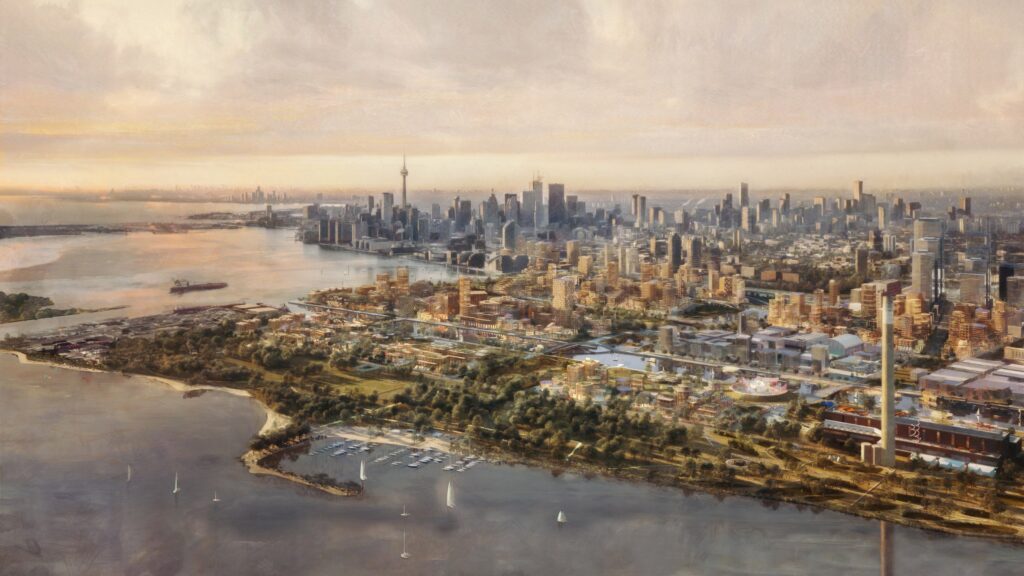
The Sidewalk Toronto Project is a landmark smart city initiative that has been discussed in past ULI events. Developed in collaboration with Alphabet’s Sidewalk Labs, the project aimed to transform a portion of Toronto’s waterfront into a high-tech, sustainable community. The initiative emphasized data-driven urban planning, smart energy systems, and innovative transportation networks.
Although the project faced challenges, it remains a prime example of how large-scale urban experimentation can inspire global discussions on smart cities. Its presence at the ULI Conference underscored the importance of balancing innovation with community acceptance.
2. Singapore’s Marina Bay Development
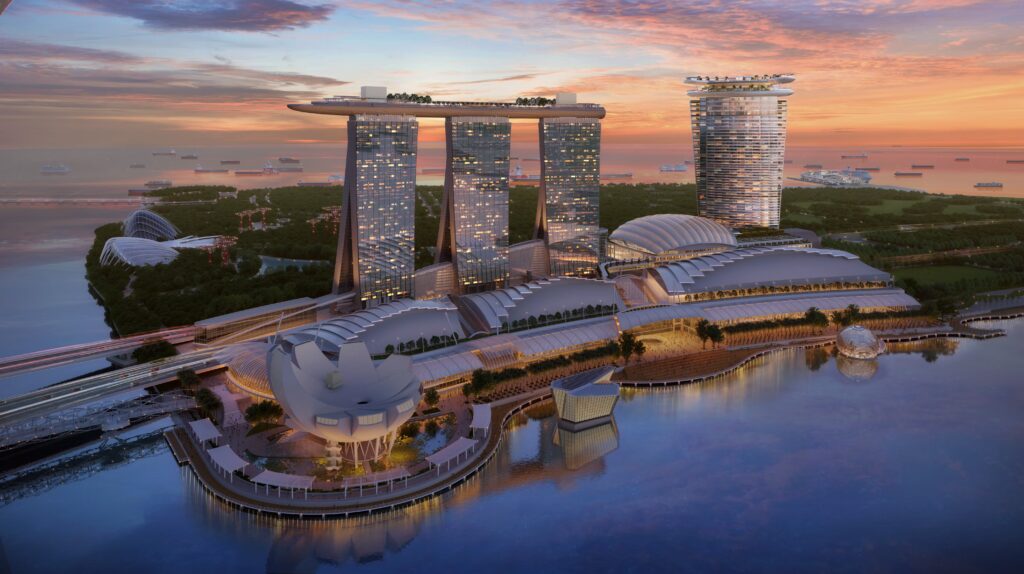
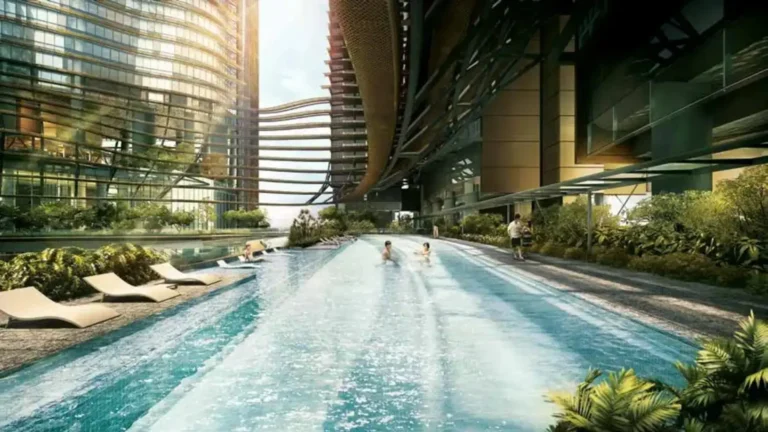
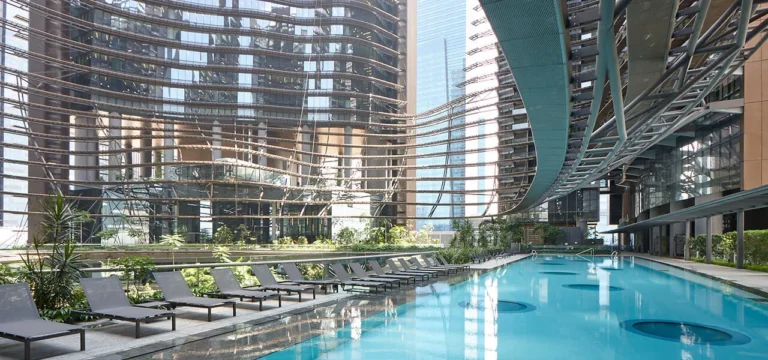
Singapore is often recognized at the ULI Conference for its groundbreaking urban planning efforts. The Marina Bay Development integrates mixed-use spaces, green architecture, and advanced infrastructure, making it a model of sustainability and economic vibrancy.
By showcasing projects like Marina Bay, the ULI Conference demonstrates how governments and developers can collaborate to create urban spaces that balance commerce, leisure, and environmental stewardship.
3. Hudson Yards, New York City

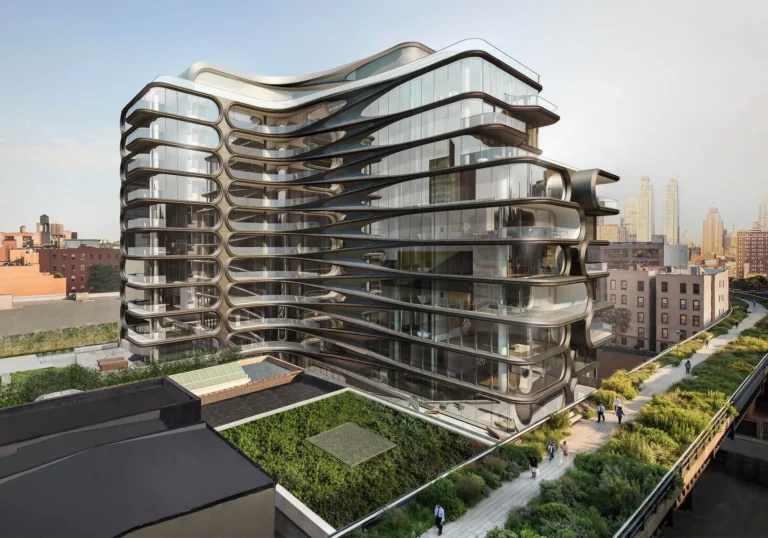
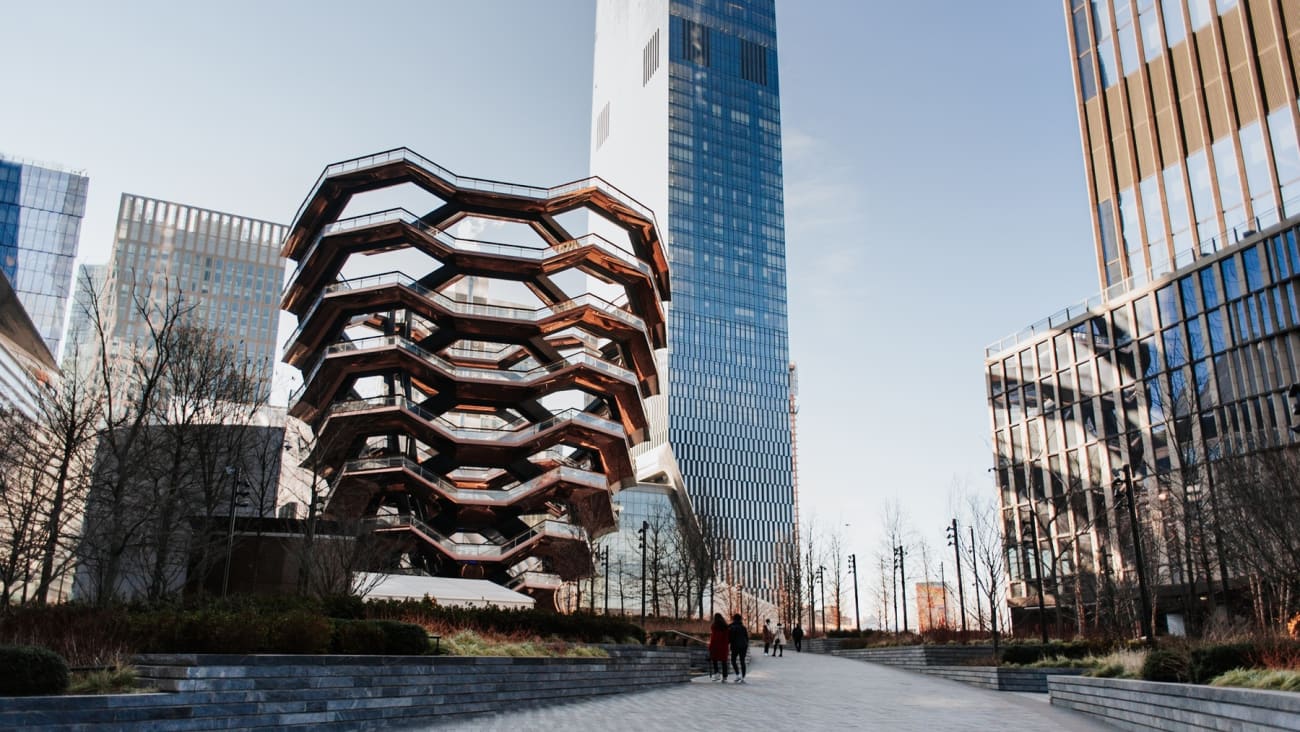
Another frequent case study is Hudson Yards in New York City, the largest private real estate development in U.S. history. This project highlights innovative approaches to urban revitalization, combining luxury residences, office spaces, cultural venues, and sustainability initiatives within a single development.
Hudson Yards illustrates how large-scale, mixed-use developments can transform entire neighborhoods. The ULI Conference uses such examples to highlight the potential and challenges of modern real estate innovation.
The Benefits of Attending the ULI Conference
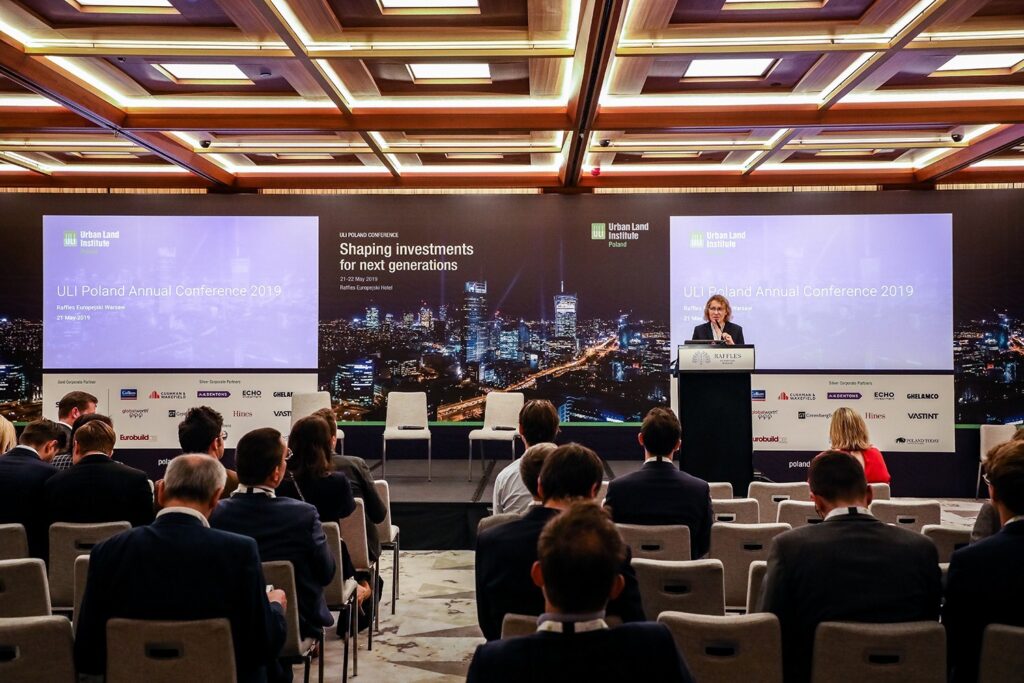
Attending the ULI Conference is not just about gathering information; it’s about accessing opportunities for growth, networking, and strategic foresight.
Access to Cutting-Edge Knowledge
Participants gain firsthand insights into the latest trends, policies, and technologies shaping the real estate and urban planning industries.
Networking Opportunities
With attendees ranging from government officials to CEOs of major development firms, the ULI Conference offers a rare chance to connect with key decision-makers and form collaborations that can shape future projects.
Practical Solutions for Real-World Challenges
Unlike purely academic events, the ULI Conference focuses on actionable strategies. Use Cases of the ULI Conference in Real Life
The true value of the ULI Conference lies in how its discussions are applied to solve urban challenges worldwide.
Solving Affordable Housing Shortages
City planners who attend the ULI Conference often return with strategies to make housing more accessible. By applying innovative financing models and community-focused design, they can help address pressing housing crises.
Advancing Sustainable Infrastructure
Developers can use insights from the conference to incorporate renewable energy, green roofs, and eco-friendly materials into their projects. This helps cities transition to sustainability while still meeting economic goals.
Preparing Cities for Population Growth
With urban populations growing rapidly, the ULI Conference equips leaders with tools to design scalable infrastructure, efficient transportation systems, and resilient city layouts. These insights ensure that cities remain livable even under pressure.
Frequently Asked Questions (FAQ)
Q1. What is the Urban Land Institute Conference about?
The Urban Land Institute Conference is a global event focused on urban development, real estate innovation, and sustainable city planning. It brings together experts, policymakers, and business leaders to exchange ideas and create actionable strategies.
Q2. Who should attend the ULI Conference?
The event is valuable for real estate developers, investors, architects, policymakers, sustainability advocates, and anyone interested in shaping the future of urban living.
Q3. How does the ULI Conference impact real-world urban development?
By highlighting global case studies, sharing innovative practices, and fostering collaboration between sectors, the conference directly influences how cities are designed, developed, and managed worldwide.