Mountain Vacation Homes Complete Guide to Comfort, Lifestyle, and Real-World Examples
Mountain vacation homes are properties designed for relaxation, recreation, and escape from urban life, situated in scenic mountainous locations. These homes are often associated with natural beauty, fresh air, and opportunities for outdoor activities like hiking, skiing, or simply enjoying panoramic views.
Unlike standard vacation rentals or beachside properties, mountain vacation homes emphasize coziness, insulation against cold climates, and architectural features that complement their environment. Stone fireplaces, wood-beamed ceilings, and large windows are common, creating a sense of harmony between nature and modern living.
The Unique Appeal of Mountain Vacation Homes
The allure of mountain vacation homes lies in their ability to offer tranquility while keeping residents connected to recreational opportunities. Whether nestled in the Alps, the Rockies, or the Himalayas, these homes provide an ideal retreat from hectic city life.
They also offer four-season versatility. In winter, mountain homes become cozy shelters with skiing opportunities nearby, while in summer, they provide access to hiking trails, lakes, and outdoor adventures. This year-round adaptability is one of the strongest reasons people invest in or rent these properties.
Real-World Examples of Mountain Vacation Homes
1. Aspen Luxury Mountain Retreat, Colorado
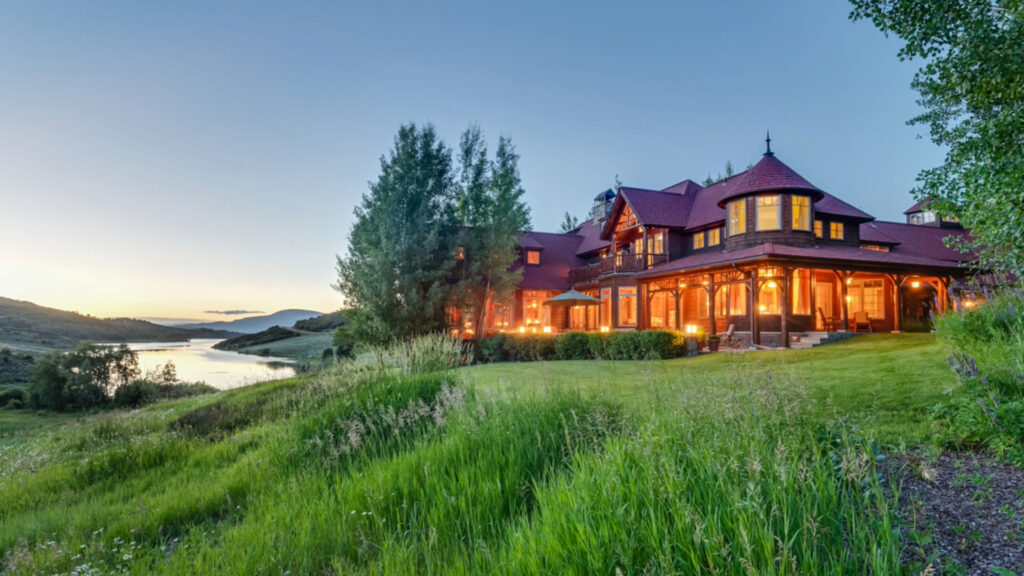
One of the most iconic examples of mountain vacation homes can be found in Aspen, Colorado. Known for its luxurious ski resorts, Aspen is home to stunning vacation residences with timber-and-stone architecture, expansive decks, and breathtaking views of the Rockies.
These homes combine rustic design with high-end amenities such as heated pools, private spas, and home theaters. Residents enjoy both privacy and access to one of the most vibrant mountain towns in the United States. Aspen showcases how it can blend leisure with cultural richness, offering not only outdoor recreation but also art galleries, fine dining, and music festivals.
2. Swiss Chalet-Style Homes, Zermatt
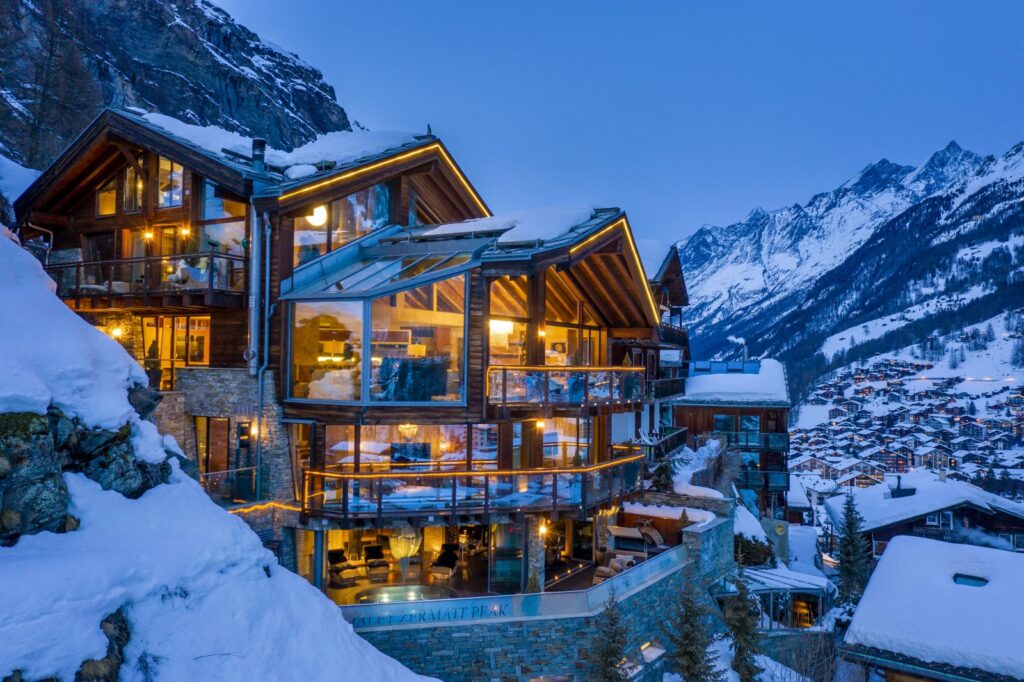
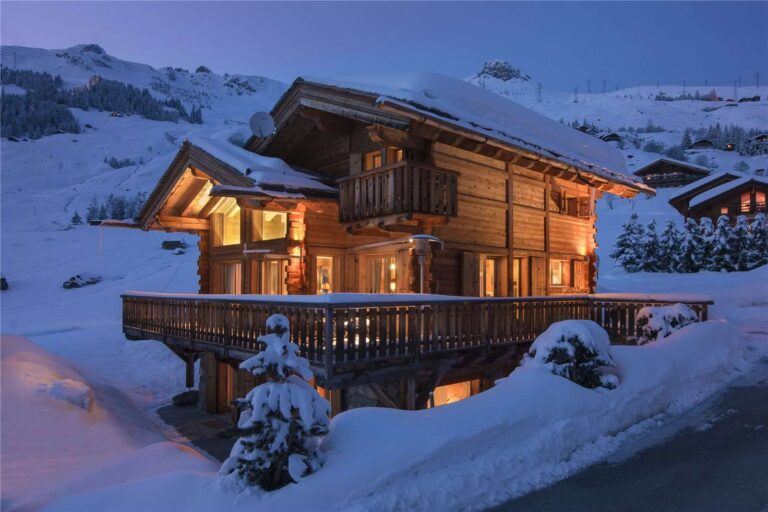
Zermatt, Switzerland, is another prime destination. The Swiss chalet design emphasizes wood construction, sloped roofs, and large balconies, perfect for enjoying alpine views.
These homes are not only architectural landmarks but also serve practical purposes by being highly weather-resistant. Many chalets include modern updates such as geothermal heating, smart home automation, and wellness facilities. The Zermatt example illustrates how traditional styles adapt to modern living while maintaining cultural authenticity.
3. Lake Tahoe Mountain Cabins, California and Nevada
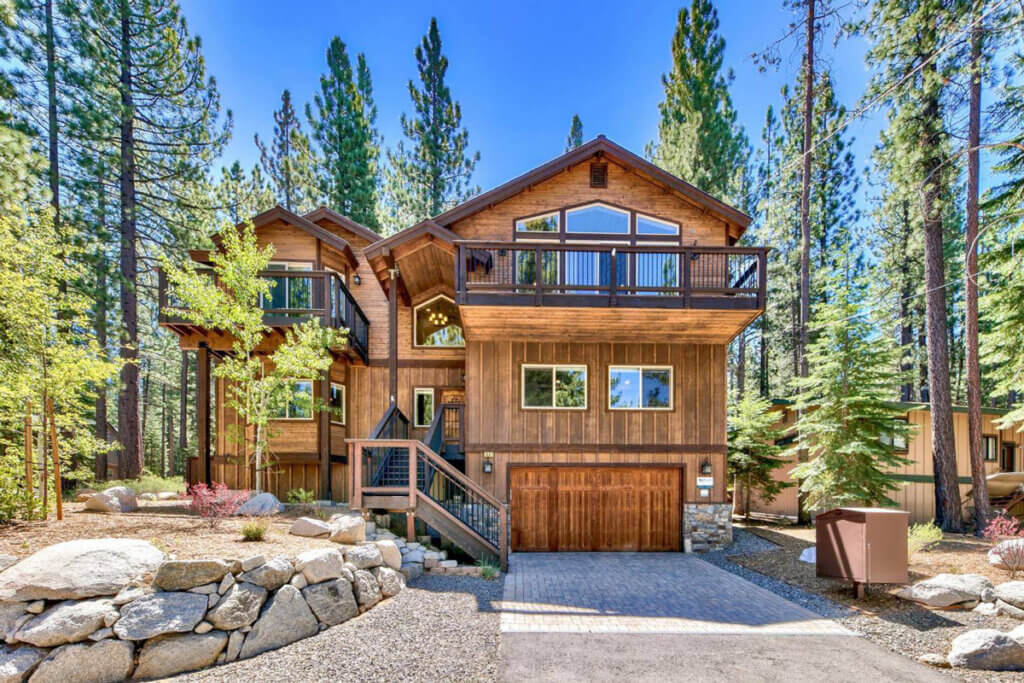
Lake Tahoe offers a different version, blending waterfront beauty with forested mountain landscapes. Cabins and luxury homes in this region often feature lakefront decks, floor-to-ceiling windows, and rustic interiors that complement the surrounding pine forests.
The location also makes Lake Tahoe homes particularly versatile. In winter, residents have access to ski slopes, while in summer, the lake provides endless opportunities for swimming, kayaking, and boating. These homes highlight how mountain vacation living can offer both seclusion and vibrant community life.
4. Himalayan Eco Homes, India and Nepal
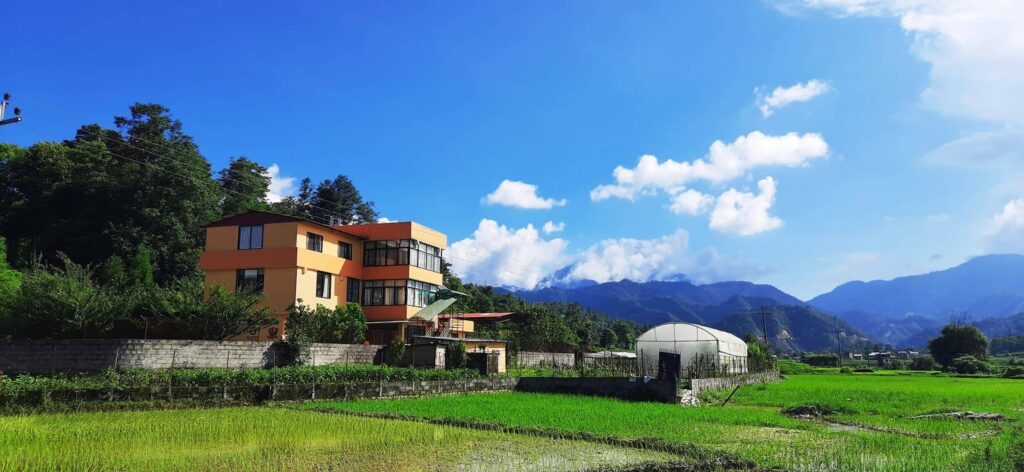
In the Himalayas, eco-friendly vacation homes are gaining popularity. Constructed with sustainable materials like bamboo and stone, these properties prioritize low environmental impact while offering incredible views of the highest peaks in the world.
Many Himalayan vacation homes are equipped with solar energy systems, rainwater harvesting, and minimalistic yet comfortable designs. They demonstrate how they are evolving to meet the needs of eco-conscious travelers who value both sustainability and comfort.
Architectural and Design Elements of Mountain Vacation Homes
Mountain vacation homes often balance rustic charm with modern convenience. Common design features include vaulted ceilings, exposed wood beams, stone fireplaces, and large windows that frame mountain views.
In addition to aesthetics, design also focuses on functionality. Proper insulation, energy-efficient heating systems, and weather-resistant materials are crucial in mountainous regions where winters can be harsh. Many properties now integrate sustainable building practices to minimize environmental impact while maximizing comfort.
Benefits of Technology in Mountain Vacation Homes
Technology has transformed the way people experience. Smart thermostats, for example, allow residents to pre-heat or cool their homes remotely, ensuring comfort upon arrival. Similarly, smart lighting systems create cozy atmospheres while reducing energy costs.
Security is another major area where technology plays a role. With smart surveillance systems and remote monitoring, residents can feel confident leaving their mountain homes unoccupied for extended periods. High-speed internet connectivity also ensures that people can work remotely or stay connected, even in remote mountain areas.
Use Cases for Mountain Vacation Homes
A Family Retreat
For families, offer a place to bond, away from the distractions of everyday life. Whether it’s skiing together in the winter or hiking trails in the summer, the home serves as a hub for shared experiences and lasting memories.
A Remote Work Escape
For professionals seeking a balance between productivity and relaxation, a mountain vacation home can function as a serene office. With reliable internet, these homes provide a quiet setting where concentration thrives, while recreational activities are just outside the door.
A Wellness Sanctuary
Mountain vacation homes are also ideal for wellness enthusiasts. The clean mountain air, combined with access to spas, yoga spaces, and quiet surroundings, fosters physical and mental rejuvenation. Many owners adapt their homes to include meditation rooms or wellness facilities to maximize health benefits.
A Retirement Haven
For retirees, provide a peaceful lifestyle where relaxation is complemented by natural beauty. With modern medical facilities often nearby in developed mountain towns, retirees can enjoy long-term comfort without sacrificing healthcare access.
Advantages of Mountain Vacation Homes
The advantages of owning or staying in extend beyond luxury.
First, they provide mental and physical health benefits. Being surrounded by nature reduces stress, improves mood, and encourages an active lifestyle. The air quality in mountainous areas is often significantly better than in urban centers, contributing to overall wellness.
Second, they serve as multi-purpose properties. Families use them for holidays, professionals for remote work, and retirees for full-time living. This versatility makes them appealing to people across different life stages.
Third, often hold long-term value. Locations like Aspen, Zermatt, or Lake Tahoe are renowned for their enduring appeal, meaning these homes are not only lifestyle investments but also carry potential for appreciation over time.
Why Mountain Vacation Homes Are a Growing Trend
The rise of remote work and increased focus on wellness has amplified demand. More people are looking for spaces that offer tranquility without disconnecting from modern amenities. This trend has led developers to innovate with eco-friendly designs, high-tech integration, and communities tailored for year-round living.
Additionally, global interest in sustainable living has been positioned as both a lifestyle choice and a statement of environmental responsibility.
Frequently Asked Questions
Q1. What makes mountain vacation homes unique compared to other vacation properties?
Mountain vacation homes stand out because they combine natural beauty, seasonal versatility, and cozy architecture. They are designed to complement their surroundings while offering recreational access year-round.
Q2. Are mountain vacation homes suitable for remote work?
Yes. With reliable internet and smart home technology, increasingly used as remote work retreats, blending productivity with relaxation.
Q3. Do mountain vacation homes focus on eco-friendly living?
Many modern mountain homes incorporate sustainable building practices, solar energy systems, and eco-conscious materials, making them excellent options for environmentally aware homeowners.