Urban Homes for Sale 2025 A Complete Guide to Modern Living and Real Estate Trends
The demand for urban homes for sale continues to grow as more people migrate to cities in search of convenience, opportunities, and modern living. Urban homes are more than just properties-they represent a lifestyle shaped by accessibility, technology, and vibrant communities. Whether in high-rise apartments, renovated townhouses, or eco-friendly smart homes, buyers are increasingly drawn to the advantages of living in well-planned urban spaces.
Urban housing has evolved to address the challenges of population growth, sustainability, and affordability. Today, these homes are designed with advanced technologies, energy-efficient systems, and access to essential amenities, making them a core part of the future of real estate.
What Defines an Urban Home?
An urban home is typically located within a city or metropolitan area. Unlike suburban or rural properties, urban homes emphasize proximity to workplaces, schools, healthcare, and entertainment. They range from compact apartments and lofts to modern condominiums and mixed-use buildings.
Beyond location, urban homes are often defined by architectural efficiency, multi-functional layouts, and community-oriented designs. Many developments integrate green spaces, shared work areas, and smart home technology to appeal to today’s modern urban residents.
Key Features of Urban Homes
Urban homes for sale often come with features that make them both practical and attractive for city dwellers.
Compact Yet Functional Living Spaces
City homes are designed to maximize available space. From open-concept kitchens to convertible furniture systems, urban homes offer practical layouts that balance style and functionality.
Integration of Smart Technology
Smart lighting, automated climate control, and app-based security systems are increasingly becoming standard in urban homes. These innovations enhance safety, reduce energy usage, and improve the overall quality of life.
Community Amenities
Urban housing developments often include shared gyms, rooftop gardens, coworking spaces, and entertainment lounges. These features foster social interaction and provide residents with added convenience.
Real-World Examples of Urban Homes for Sale
To understand how urban homes are shaping modern living, it’s helpful to explore real-world examples of properties and developments that exemplify current trends.
1. The Edge, Amsterdam
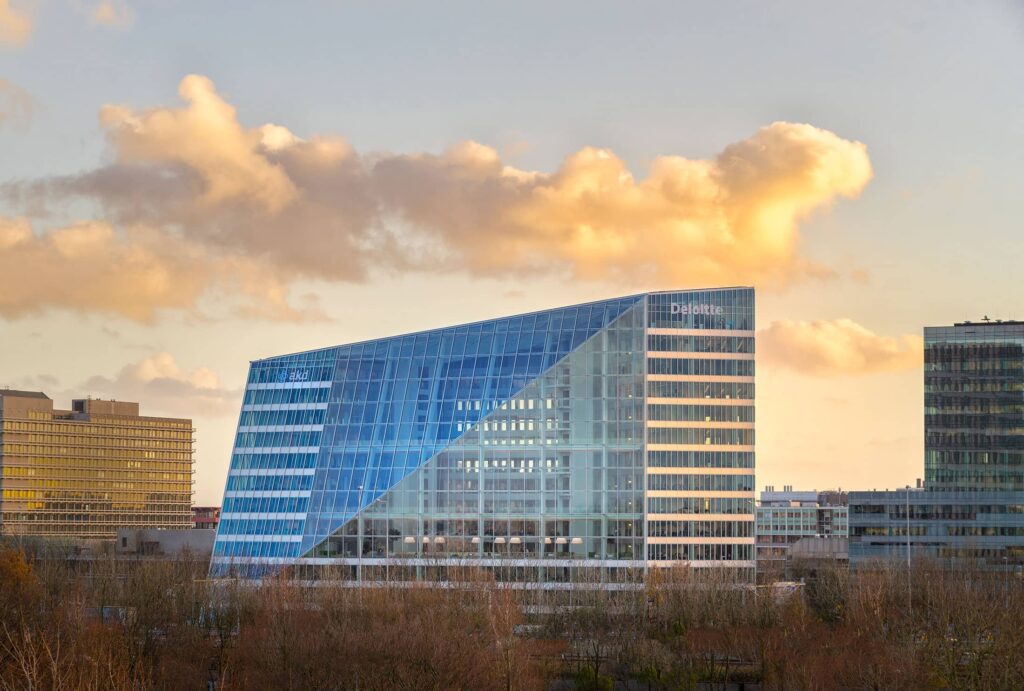
The Edge in Amsterdam is considered one of the smartest and most sustainable office-residential developments in the world. While primarily an office space, its design has influenced residential urban projects with its advanced use of IoT sensors, natural lighting systems, and energy-efficient structures. Urban homes inspired by The Edge use similar principles to minimize environmental impact while maximizing comfort.
2. Hudson Yards, New York City

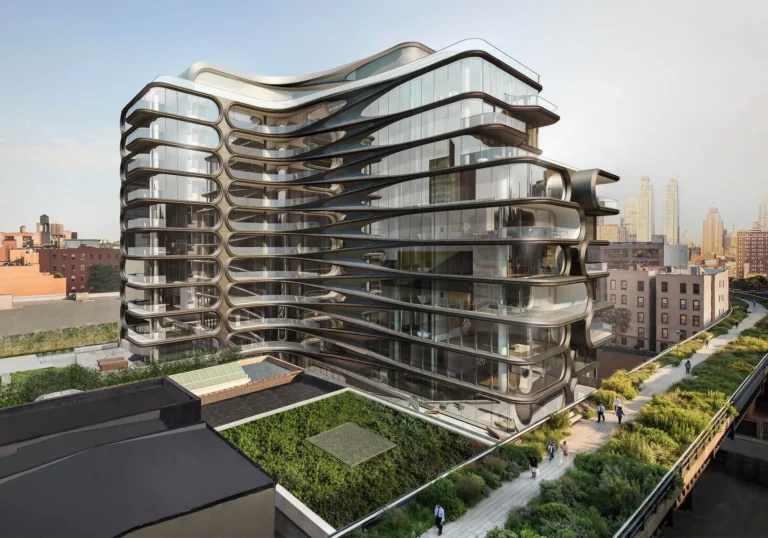
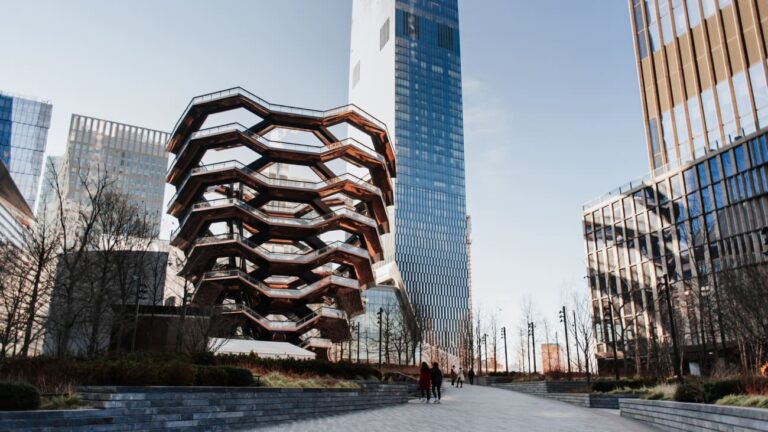
Hudson Yards is one of the largest private real estate developments in the U.S., featuring luxury residences, cultural venues, and retail spaces. Its residential towers provide a glimpse into what urban living looks like when cutting-edge architecture meets smart design. Hudson Yards homes emphasize sustainability, technology integration, and premium community amenities.
3. Bosco Verticale, Milan
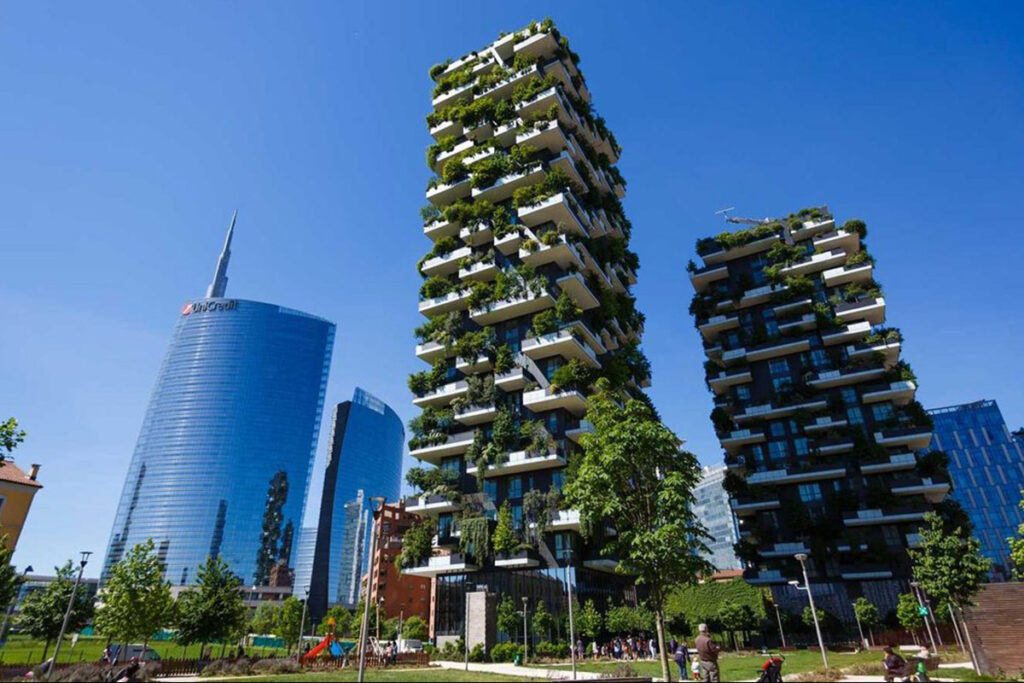
Bosco Verticale, or “Vertical Forest,” is a pair of residential towers in Milan covered with over 20,000 plants and trees. This urban housing project demonstrates how modern homes can integrate green design in dense city environments. It reduces pollution, improves air quality, and provides residents with a healthier living experience-all while being in the heart of the city.
4. Marina One Residences, Singapore
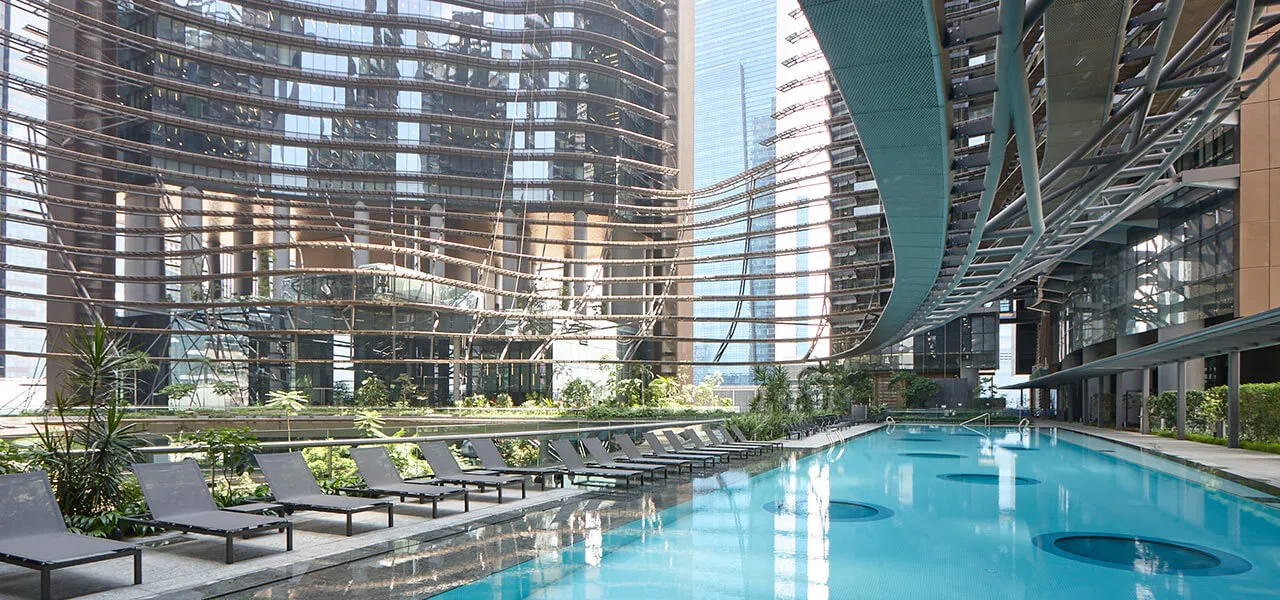
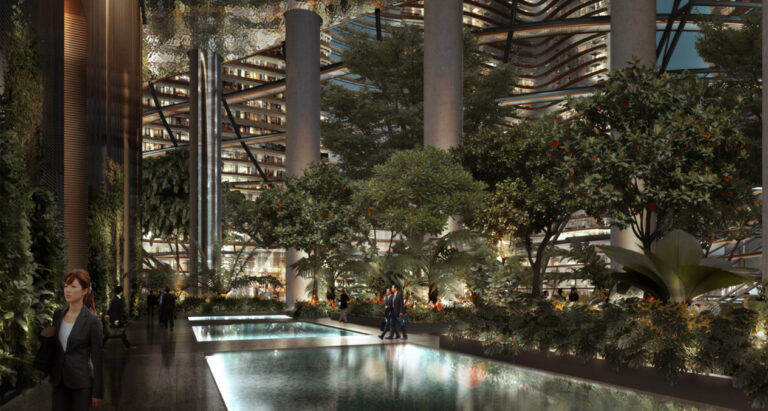
Marina One Residences stands as an excellent example of urban homes that blend luxury with sustainability. The development incorporates lush green courtyards, smart building technologies, and direct access to commercial hubs. It represents how urban homes can meet the needs of busy professionals while promoting eco-friendly living.
Benefits of Technology in Urban Homes
The use of technology in urban homes goes beyond convenience. It represents a fundamental shift in how city living is designed and experienced.
Energy Efficiency and Sustainability
Smart thermostats, solar panels, and automated lighting systems help reduce energy consumption. These not only lower utility bills but also make urban living more sustainable for the future.
Enhanced Security
From app-based door locks to AI-driven surveillance cameras, technology ensures that urban homes remain safe despite being in densely populated areas. These features provide residents with peace of mind without the need for extensive manual monitoring.
Improved Connectivity and Comfort
Smart appliances, integrated home assistants, and automated climate control systems make daily routines smoother. Residents can manage their homes remotely, making urban living more flexible and efficient.
Use Cases of Urban Homes in Real Life
Urban homes for sale are more than just places to live-they solve practical challenges faced by city populations.
Meeting the Need for Affordable Housing
With rising urban populations, housing affordability is a global issue. Urban homes are increasingly designed to include micro-apartments, shared spaces, and mixed-income developments that make city living accessible to a broader demographic.
Reducing Environmental Impact
Eco-conscious buyers are seeking properties that reduce their carbon footprint. Urban homes that integrate green building materials, efficient water systems, and renewable energy sources provide solutions to environmental challenges.
Supporting Work-Life Balance
With remote work becoming more common, urban homes now include coworking areas, soundproof rooms, and faster internet infrastructure. These features ensure that residents can maintain professional productivity without sacrificing personal comfort.
Challenges in Buying Urban Homes
While urban homes for sale offer numerous benefits, they also come with challenges that buyers must consider.
High Demand and Rising Prices
In many metropolitan areas, demand for housing outpaces supply, driving prices higher. This makes affordability a key challenge for many potential buyers.
Space Limitations
Urban homes often come with smaller square footage compared to suburban houses. While efficient design can help, families may find it difficult to adjust to limited space.
Noise and Density
Living in bustling city centers often means dealing with higher noise levels and population density. Developers are addressing this with better soundproofing and community-oriented design, but it remains a concern for some.
The Future of Urban Homes
The future of urban homes for sale lies in balancing convenience, sustainability, and affordability. As technology advances, homes will become smarter, more energy-efficient, and better integrated into city ecosystems. With global urban populations expected to grow rapidly, urban housing will continue to evolve as a cornerstone of modern living.
Frequently Asked Questions (FAQ)
Q1. What makes urban homes different from suburban homes?
Urban homes are located in city centers, offering easy access to workplaces, amenities, and public transportation. They are often smaller in size but feature smart layouts and modern technology integration compared to suburban homes, which typically provide more space and quieter surroundings.
Q2. Are urban homes a good investment?
Yes, urban homes often appreciate due to their prime locations and strong demand. They are particularly attractive for investors seeking rental income, as city properties typically have higher occupancy rates.
Q3. How is technology shaping urban homes for sale?
Technology is transforming urban homes through smart security, energy-efficient systems, and connected devices. These innovations enhance comfort, reduce costs, and make homes more sustainable for future generations.