Vacation Homes A Complete Guide to Modern Getaway Living
Vacation homes have long been associated with relaxation, leisure, and an escape from everyday routines. Whether nestled by a beach, hidden in the mountains, or located near cultural destinations, these properties serve as retreats where individuals and families can unwind while enjoying the comforts of home. In recent years, the concept of vacation homes has evolved, integrating modern design, smart technology, and flexible living arrangements to match the demands of contemporary lifestyles.
Today, vacation homes are not just seasonal escapes. Many owners use them year-round as secondary residences, rental investments, or hybrid spaces that combine leisure with work. The rise of remote work has further fueled this trend, allowing people to enjoy extended stays in their vacation properties while maintaining professional productivity.
The Appeal and Lifestyle of Vacation Homes
Owning or staying in a vacation home represents more than convenience-it reflects a lifestyle choice. These properties allow individuals to personalize their travel experiences by staying in spaces tailored to their tastes and needs. Instead of relying on hotels, vacation homes provide privacy, space, and a sense of belonging in the chosen location.
Architecturally, vacation homes range from rustic cabins and coastal villas to sleek, modern apartments in city centers. This variety ensures that there are options for every lifestyle, whether someone prefers hiking through mountain trails, lounging by the sea, or exploring bustling urban streets. Importantly, vacation homes often offer opportunities for gathering with friends and family, making them ideal for bonding and creating lasting memories.
Benefits of Vacation Homes with Technology
Modern vacation homes increasingly rely on technology to enhance the living experience. Smart home systems allow owners and guests to control lighting, temperature, and security remotely. This ensures comfort upon arrival, as spaces can be pre-heated or cooled before anyone sets foot inside.
Security technology has also transformed vacation home management. App-controlled locks, cameras, and alarm systems provide peace of mind for owners who may spend long periods away. These tools also simplify guest access for those renting their vacation homes.
Additionally, technology supports energy efficiency. Smart thermostats and water systems reduce waste, while solar panels and eco-friendly appliances align vacation living with sustainability goals. In practical terms, this translates to lower costs, safer properties, and more enjoyable stays.
Real-World Examples of Vacation Homes
1. Beachfront Villas in Malibu, California
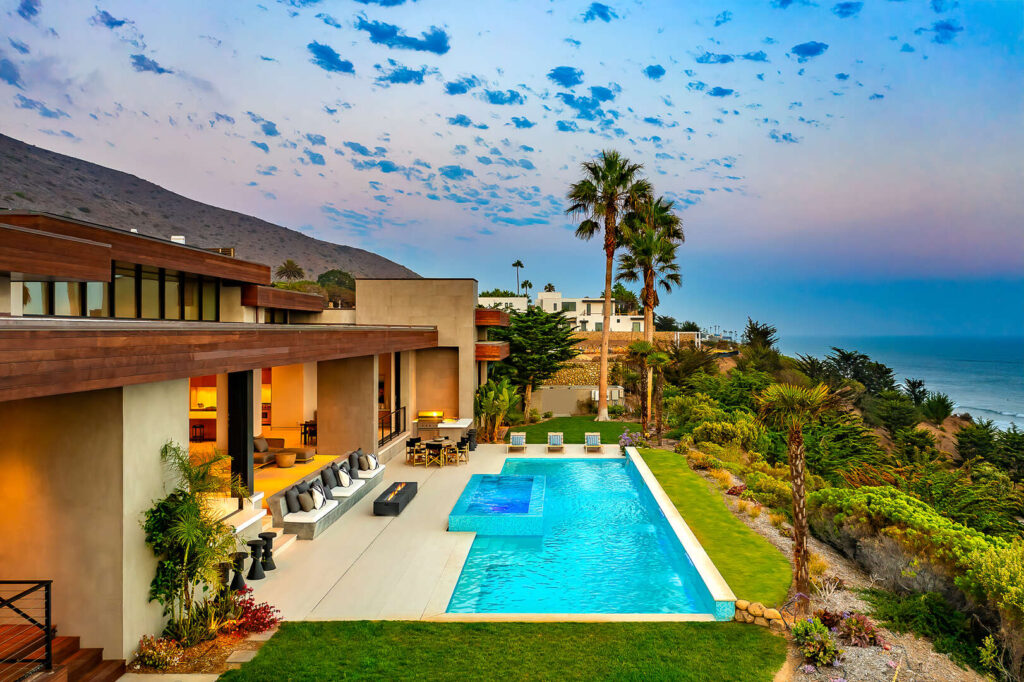
Malibu’s beachfront villas represent the epitome of vacation home luxury. These properties combine stunning ocean views with modern architecture and private beach access. Owners and guests enjoy the sound of waves, floor-to-ceiling glass windows, and terraces designed for relaxation.
What makes these villas stand out is their integration of smart home features. Automated climate systems, security technology, and high-end entertainment solutions transform each villa into a seamless blend of natural beauty and modern convenience. For those who desire both luxury and proximity to Los Angeles, Malibu remains an unmatched destination.
2. Mountain Cabins in Aspen, Colorado
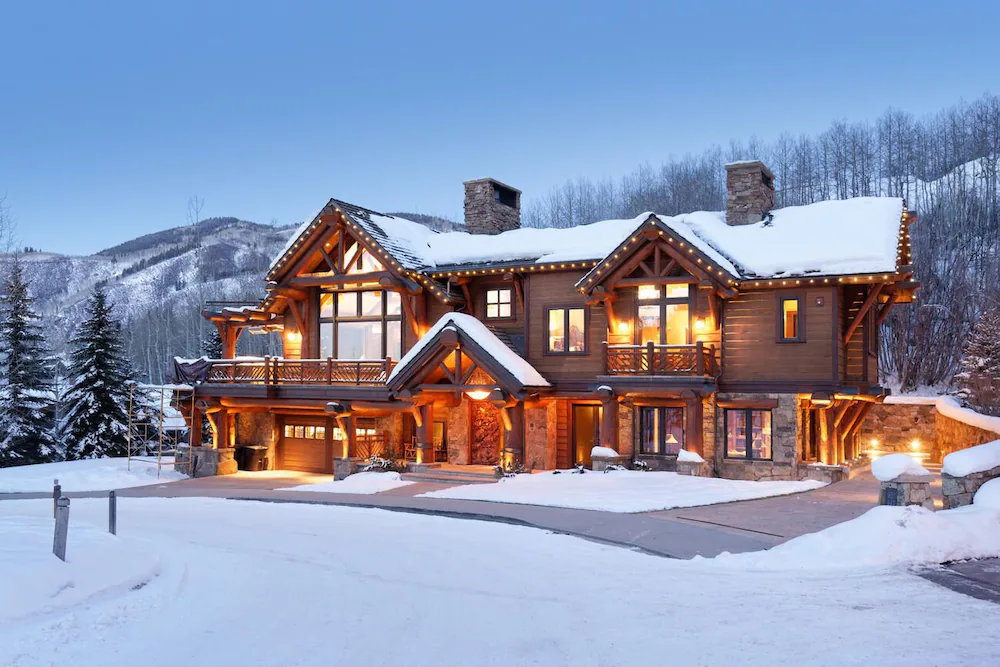
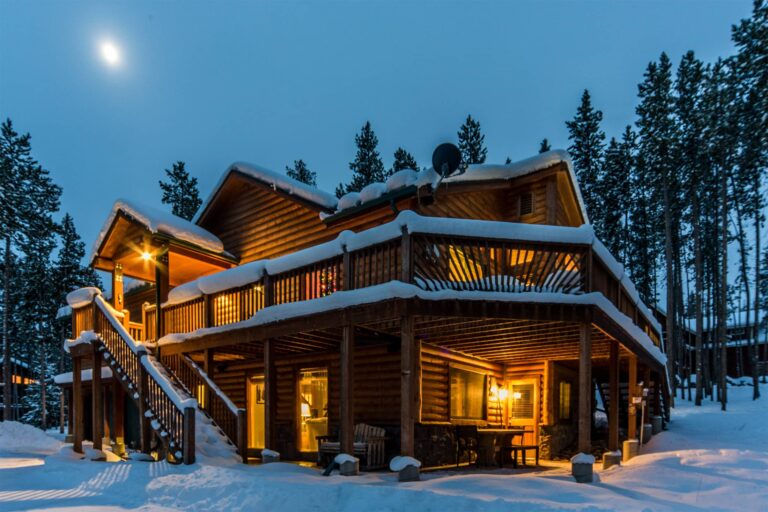
Aspen is renowned for its ski resorts, and its vacation homes-often designed as rustic yet elegant cabins-offer unparalleled winter experiences. These cabins are typically constructed with natural materials like stone and wood, creating warm and inviting atmospheres.
Technological innovation enhances the rustic charm. Many cabins feature smart heating systems, ski-in/ski-out access, and automated fireplaces, ensuring guests experience maximum comfort while embracing the outdoors. These mountain homes illustrate how vacation properties can harmonize traditional aesthetics with cutting-edge amenities.
3. Lakefront Homes in the Italian Lakes Region

Italy’s Lake Como and Lake Garda are dotted with vacation homes that blend historical elegance with modern updates. These homes often feature terraced gardens, private docks, and expansive views of the water, making them prime spots for relaxation.
Modern renovations have introduced smart lighting, energy-efficient appliances, and high-speed internet, ensuring these homes cater to both leisure and remote work. The combination of cultural heritage and modern living makes lakefront vacation homes in Italy an ideal example of timeless yet functional escapes.
4. Coastal Retreats in Bali, Indonesia
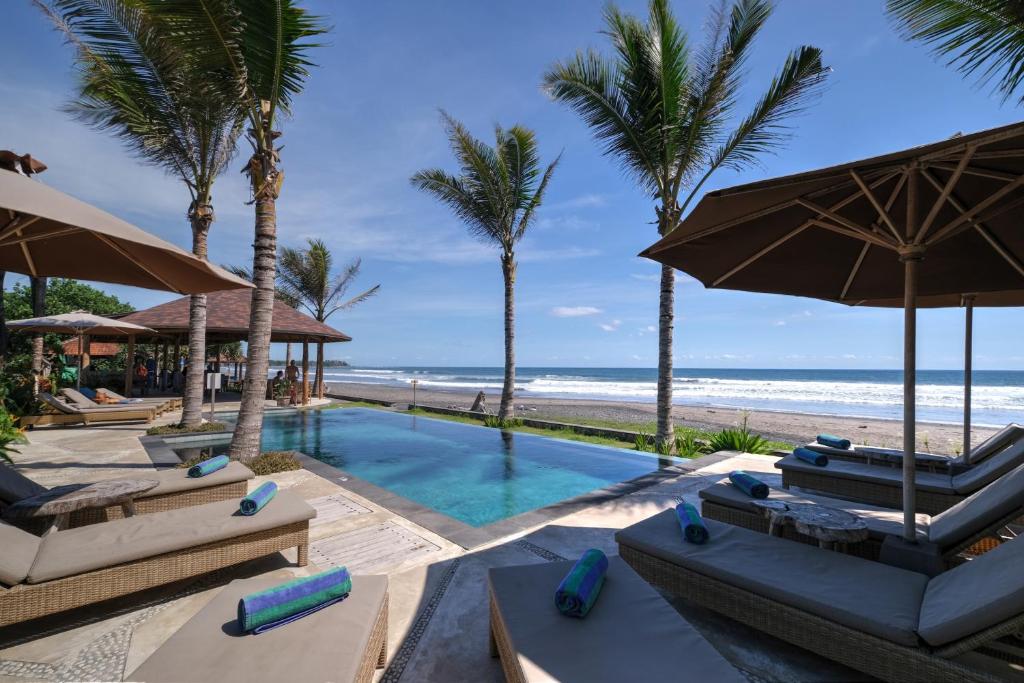
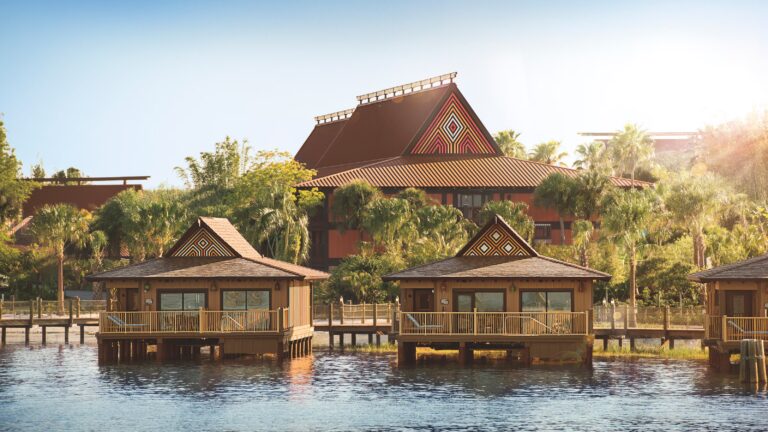
Bali’s vacation homes, ranging from cliffside villas to jungle retreats, offer a unique fusion of nature and design. Built with open-air layouts, infinity pools, and eco-friendly materials, these homes immerse residents in tropical beauty.
Many Bali vacation homes now integrate solar power, rainwater collection, and advanced security systems. They are often rented out when not in use, highlighting the dual role of vacation homes as both personal sanctuaries and investment opportunities.
Practical Use Cases of Vacation Homes
Extended Family Gatherings
Vacation homes provide the perfect setting for family reunions and gatherings. Unlike hotels, they offer communal living spaces-such as large dining rooms, kitchens, and outdoor patios-where families can cook, dine, and bond together. This flexibility fosters stronger connections and memorable experiences.
Work-from-Anywhere Retreats
With remote work becoming a permanent option for many professionals, vacation homes now double as offices. High-speed internet, dedicated workspaces, and quiet surroundings allow individuals to maintain productivity while enjoying new environments. This use case highlights how vacation homes adapt to the evolving dynamics of modern work.
Seasonal Escapes
Vacation homes are often designed with specific seasons in mind. A beachfront property may cater to summer escapes, while a ski cabin provides winter comfort. Owners and renters alike benefit from having a reliable retreat suited to their preferred seasonal activities.
Investment and Rental Income
Many owners purchase not only for personal use but also for rental opportunities. Managed through digital platforms, these properties can generate income during unoccupied periods. Technology, such as smart locks and remote monitoring, simplifies guest turnover and ensures secure management.
Advantages of Vacation Homes
Vacation homes offer several advantages that extend beyond leisure.
From a lifestyle perspective, allow individuals to immerse themselves in specific environments-whether cultural, natural, or recreational. They provide stability for repeat travelers while also encouraging deeper connections with local communities. For many, the emotional value of a vacation home is just as significant as its financial worth.
Challenges and Considerations
Despite their many advantages, they come with challenges. Maintenance can be demanding, particularly for properties located in remote or coastal areas subject to weather conditions. Owners must also account for seasonal fluctuations in demand if they plan to rent out their homes.
Affordability is another consideration. Luxury in prime destinations can be costly, limiting accessibility. Additionally, managing the property from afar requires reliable technology and services, especially if it serves as both a personal retreat and a rental property.
Future Outlook for Vacation Homes
The future will likely focus on sustainability, smart technology, and hybrid use models. Homes will increasingly feature renewable energy solutions, eco-conscious materials, and digital systems that allow remote management.
Emerging trends also include shared ownership models, where multiple individuals share rights to a single property, and integrated communities designed specifically for vacation living. These developments reflect the growing demand for flexibility, affordability, and environmentally responsible leisure.
Frequently Asked Questions
Q1. What defines a vacation home?
A vacation home is a property used primarily for leisure, seasonal stays, or secondary living. It may be a beachfront villa, mountain cabin, city apartment, or lakefront house, designed to provide comfort and relaxation outside of primary residences.
Q2. Are vacation homes only for luxury buyers?
No, vary widely in style and price. While many high-end properties dominate markets like Malibu or Lake Como, there are also more modest properties available in less tourist-heavy destinations.
Q3. How does technology benefit vacation homes?
Technology is enhanced by improving security, energy efficiency, and convenience. Smart locks, remote monitoring, automated climate systems, and eco-friendly appliances allow owners to manage properties even from a distance.